Is It Best Corporate Gift Baskets for Clients? What a $92K Enesco Test Taught Me
November 2023: the $92,000 spreadsheet
Last November, I was sitting in our conference room with a $92,000 spreadsheet. I am a procurement manager at a 350-person software company. I have managed our client gifting and promotional products budget for six years, negotiated with 40+ vendors, and logged every order in our cost tracking system. That afternoon, I was trying to answer one question: is it best corporate gift baskets for clients, or had we just been defaulting to them because they felt safe?
Our Q4 gifting spend was up 18% year over year. The line item I could not defend was corporate gift baskets. We had sent 48 baskets (maybe 52, I would have to check the system) to top accounts. Unit price averaged $89. Total invoiced: $4,272. But when I added the custom card fee, the Saturday delivery surcharge, and two re-ships for damaged fruit, the real number was closer to $5,400. That is a 26% gap hidden in fine print.
I had a nagging feeling we were paying for the idea of a gift, not the memory of one.
The safe choice that stopped being safe
For years, gift baskets were the default. They felt low-risk. You pick a price tier, approve a card, and move on. But the 'gift baskets are always safer' thinking comes from an era when corporate gifting was mostly food and wine, and clients did not already have a dozen branded tumblers. That has changed. Many of our clients now have procurement policies about alcohol, dietary restrictions, and inbound packages. A basket is not neutral anymore.
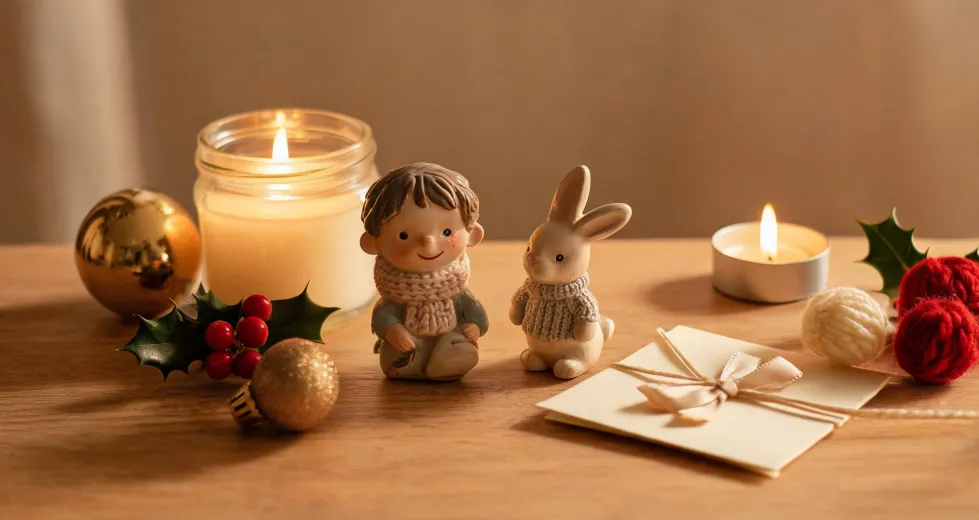
In Q1 2024, I ran a small test. We sent 20 baskets to a mix of clients and 12 Enesco porcelain figurine gifts to another group. I know that is not a clean experiment, but I wanted a signal. Three weeks later, our account managers asked clients what they remembered receiving. For the basket group, about 12% could name anything specific. For the figurine group, 68% could describe the piece and where they put it. One client, a Harry Potter fan, had the figurine on her desk during our next quarterly review.
That was the turn. The cheaper unit price was not the cheaper gift.
Running the TCO math on Enesco vs. baskets
I built a total cost of ownership spreadsheet. Total cost of ownership (i.e., not just the unit price but all associated costs) changed the decision. Vendor A, a regional basket company, quoted $89 per basket. Vendor B, an authorized Enesco dealer, quoted $118 for a licensed porcelain figurine with a custom brass-look plaque. On paper, Vendor A won by $29 per unit.
Then I added the hidden lines. Vendor A charged $4.50 per custom card, $6 per basket for hand assembly, and $75 for Saturday delivery. Their damage and spoilage rate over our previous three orders was around 8%. A re-ship cost us the full unit plus overnight freight. Vendor B included the plaque and a protective gift box. Their damage rate on porcelain was closer to 1%, and they shipped from a warehouse that could handle replacements without a full re-order. After TCO, Vendor A landed at $112 per delivered gift. Vendor B landed at $124. The difference was $12, not $29. And the memory rate was five times higher.
I almost missed this because I was comparing quotes the way most buyers do: line by line, not delivered-to-desk by delivered-to-desk.
The customization details that actually matter
If you go the collectible route, the customization is where cost and quality either stay aligned or drift. For our plaque inserts, the print vendor required 300 DPI at final size. That is the industry standard for commercial offset printing. A 3000 x 2000 pixel image at 300 DPI prints at a maximum of 10 x 6.67 inches. If your logo file is smaller, it will look soft before it ever reaches the client.
Color was the other trap. Our brand blue had to stay within Delta E < 2 for brand-critical colors. Delta E of 2-4 is noticeable to trained observers; above 4 is visible to most people. That comes from Pantone Color Matching System guidelines. We paid for a Pantone match because a muddy logo on a premium gift undercuts the whole point. The card stock was 80 lb cover, about 216 gsm, which feels substantial without the cost jump to 100 lb cover. Small specs, real money.
For promotional products, the same logic applies. A cheap item with a bad logo is not a gift. It is a reminder that someone approved a low bid.
The result: a hybrid program, not a silver bullet
For the 2024 holiday season, we split the list. Top 60 strategic accounts received Enesco figurines or ornaments, often tied to a licensed property the client already loved. The next 140 accounts received a curated gift basket or a higher-end promotional product. We did not abandon baskets. We stopped treating them as the default for everyone.
The numbers after the season: total gifting spend was $88,600 against a $92,000 budget. That sounds like savings, but the mix shifted. We spent more per top account and less on broad logo items. Re-ships dropped from 8% to 2.3%. Internal requests for 'something nicer' dropped. I want to say we saved around $8,600 in avoided re-ships and rush fees, but I might be misremembering the exact split between gifting and promotional products.
There is something satisfying about a client emailing a photo of a porcelain figurine on their shelf two years later. That never happened with a basket.
What I would tell another procurement manager
If you are asking, is it best corporate gift baskets for clients, the honest answer is: not automatically. It depends on the client, the relationship, and the total cost. Baskets can still be right for broad lists, food-friendly offices, and lower-touch relationships. But for high-value clients, a collectible gift can be cheaper per remembered impression.
Three lessons stuck with me.
- Ask what is not included. I now start every vendor conversation with that question. The 'free setup' offers are rarely free once freight and re-ships show up.
- Test before you scale. We tested 12 Enesco gifts before changing the whole program. Small batch, real feedback, no procurement policy rewrite required.
- Track memory, not just delivery. A gift that arrives is not the same as a gift that stays. Our account managers now log client mentions. That data changed the budget faster than any vendor pitch.
We still buy promotional products. We still buy baskets. But we no longer confuse a low unit price with a low total cost. And when I search for Enesco figurines for sale now, I look for authorized dealers, transparent inclusions, and a damage policy in writing. That is not glamorous. It is just procurement.
Note to self: build a damage-rate column into the vendor scorecard before next Q4. I really should have done that two years ago.

Elise Laurent
Elise Laurent is a crystal and decorative glass quality analyst covering crystal figurines, vases, ornaments, suncatchers, and gift glassware. She examines ISO 6486-1 where food-contact glass dinnerware applies, then uses polarized strain inspection, dimensional checks, surface-defect grading, and refractive clarity to compare decorative pieces outside that scope. Her work helps sourcing teams choose materials, finishing routes, and protective packaging without confusing visual brilliance with verified durability.
Start a gift conversation