How Do You Plan Home Decor? A Cost-Conscious Guide to Enesco Collectibles
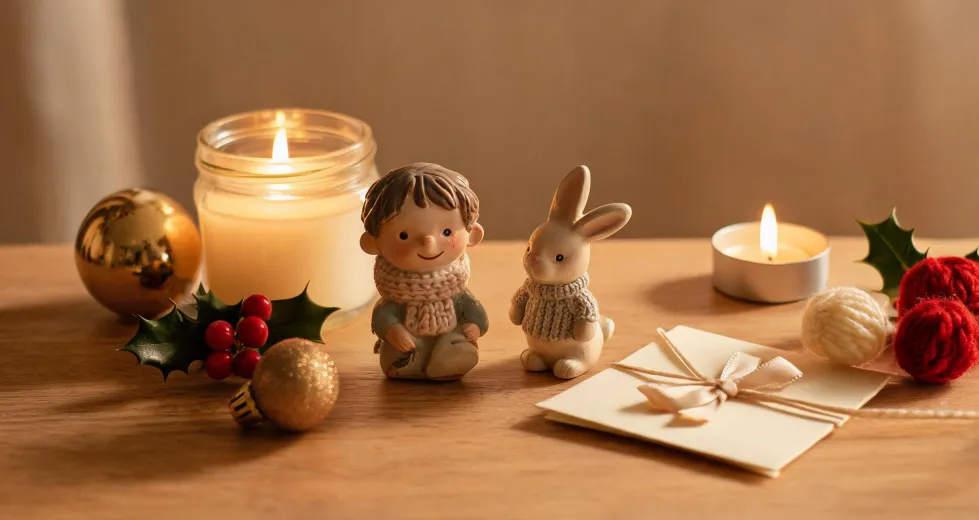
I work in procurement for a 75-person interior design firm. For the last six years, I have tracked every purchase order, compared vendor quotes, and built spreadsheets to understand total cost instead of sticker price. So when someone asks me, 'how do you plan a home decor?' I answer it like an accountant, not a decorator.
There is no single right way to decorate with collectibles. That sounds like a non-answer, but it isn't. The best process depends on what you are asking the room to do. Are you building a personal collection display? Are you adding warmth without making the space feel busy? Or are you buying for an office, a lobby, or a client thank-you gift? Those are completely different assignments. If you treat them the same, you will overspend and end up with pieces that don't work together.
Start by choosing which problem you are solving
Before you open the Enesco catalog, decide which of these three situations sounds like yours.
Collector mode: you want a home for the pieces you love
This is the person who sees the Home Grown by Enesco vegetable animal figurines and feels an immediate pull. That collection has personality. A small group of those pieces, arranged on one shelf, can make a kitchen or entryway feel playful without needing a full themed room.
If this is you, the risk is not that you will buy too few. The risk is that you will start several small collections and spread them across the house, each one too thin to look intentional.
Set a rule: one collection per room. Pick the shelf or cabinet where the Enesco pieces will live. Decide how many pieces the display can hold without looking crowded. If you want to add a new piece, ask which current piece will move to another room or go into storage. That keeps the display curated instead of cluttered.
This is also where the cost-controller view helps. A complete full set is not always the smartest buy. Full sets can turn a home into a showroom. A mixed group with one strong hero piece and two or three supporting pieces can feel warmer and more personal. It also gives you room to grow. Once a shelf is completely filled, the only way to buy more is to replace something, and that creates a whole new round of costs.
Calm room mode: you want accents, not a crowd
Not every room has to be a collection gallery. Some spaces feel best when the decor stays quiet. If your sofa is neutral and your walls are simple, a colorful row of figurines may fight the space instead of helping it.
In this situation, think in singular pieces. A crystal ornament on a window sill or a mantel can catch the light and become the subtle focal point of the room. You don't need to build a display around it. You just need to give it enough open space to be seen.
Snow globes work the same way. If you love them, resist the urge to line up five of them on the same table. Place one globe where someone can stop and look at it. The empty area around it is part of the composition. That might sound like design advice, but it is actually budget advice. If one well-placed piece satisfies you, you won't need to buy five more to fill the gap.
This is the advice that surprises people: for a calm room, do not buy a matching set of everything. Buy one anchor piece and live with it for at least a week. If the space still feels empty, add one more piece of a similar visual weight. Most people stop after two or three pieces because the room starts to feel complete. That is a much cheaper outcome than buying an entire collection at once.
Business mode: you are decorating a space or planning corporate gifts
Some of you are not decorating a private home. You are responsible for an office reception area, a model home, or a quarterly client gift. That changes the process more than people expect.
When I buy for a company, I track the total cost of ownership. The lowest quoted price matters much less than the total cost: product price, shipping, packaging quality, lead time, and the chance that it arrives broken or looks cheap in person. The same is true for corporate decor and gifts.
For business use, consider what the item says about your brand. A crystal ornament is a classic, understated gift that fits a wide range of clients. A snow globe can be memorable, but it is harder to ship and more likely to be seen as a novelty. If your company has a playful culture, the Home Grown by Enesco vegetable animal figurines could be a fun addition to a creative office or showroom, especially if you use them as a tiny themed production rather than scattered decor.
Order samples before you commit to a large quantity. Check the gift box, the protective packaging, and the visual impact in a real room. That is not an extra step. In procurement, it is the step that prevents the $500 mistake.
How to tell which scenario you are in
Still not sure? Walk through the decision rather than skipping it.
Ask what you want someone to notice first. If you want them to see the collection and ask about it, you are in collector mode. If you want them to notice how open and calm the room feels, calm room mode is the better fit. If you want them to remember the experience, or the name on the gift tag, business mode is where your plan should start.
Then ask who will be most affected if the arrangement doesn't work. If it is you, your taste gets the final vote. If it is your partner or family, they need a vote too. If it is a client, their impression is the metric you are designing for.
Finally, ask how long the plan needs to last. A personal collection can change over years. A calm accent plan can shift with one seasonal piece. A business purchase needs to look intentional through many months of daily use.
Three practical planning rules I use
No matter which scenario fits, these three rules keep the plan on track.
- Set a total budget for the display, not just for the first item. Include shipping, a display shelf if needed, and a backup item if you are shipping fragile pieces such as snow globes.
- Buy the anchor piece first. One strong Enesco piece tells you whether the direction is right. Supporting pieces are much easier to add later.
- Wait a week before the next purchase. If you still want the next piece after seeing the first one in the room, order it. If the room already feels finished, keep the money in your pocket.
If you ask me how do you plan a home decor, that is how I would start. Not with a catalog of everything available. Not with a generic list of decorating rules. You start by identifying the job the decor has to do, and then you choose pieces that fit that job.
Enesco's catalog gives you plenty of choices for that process: the quirk of Home Grown by Enesco, the shine of a crystal ornament, the story inside a snow globe, and the many Enesco figurines on the market. The common thread is that these pieces do best when they have a deliberate place. Give them that place, and the rest of the budget has a much better chance of staying intact.

Elise Laurent
Elise Laurent is a crystal and decorative glass quality analyst covering crystal figurines, vases, ornaments, suncatchers, and gift glassware. She examines ISO 6486-1 where food-contact glass dinnerware applies, then uses polarized strain inspection, dimensional checks, surface-defect grading, and refractive clarity to compare decorative pieces outside that scope. Her work helps sourcing teams choose materials, finishing routes, and protective packaging without confusing visual brilliance with verified durability.
Start a gift conversation