Enesco Shop vs. Homemade Snow Globe: A Rush-Order Specialist's Honest Take
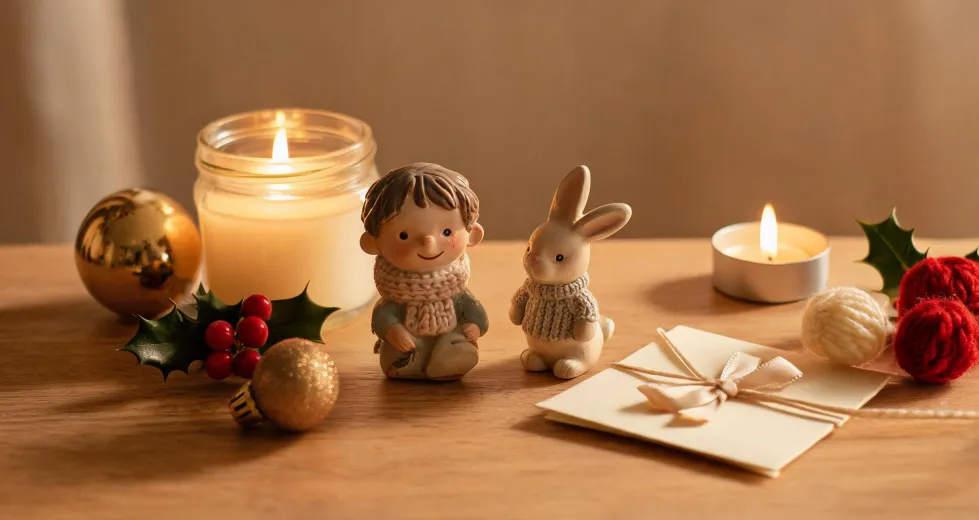
Here's the blunt version: for a corporate gift, a licensed Enesco figurine beats a homemade snow globe in almost every emergency. In six years of coordinating rush orders, I've seen the DIY route fail more often than it succeeds. That's not nostalgia—it's logistics.
You can find beautiful Enesco Harry Potter figurines in the Enesco Shop and have them personalized before most people finish gathering mason jars, glycerin, and glitter for a snow globe. If that sounds like a sales pitch, fine. But it's also the conclusion I've arrived at after handling 200+ rush jobs for conference giveaways, client appreciation gifts, and last-minute award ceremonies.
Why You Should Trust This Take
I coordinate B2B gift orders for a living. Since 2019, I've managed everything from fifty-unit custom tumbler orders to a $15,000 crystal anniversary plaque project. I've made the mistakes, paid the rush fees, and learned which shortcuts are worth it.
In March 2024, a client called at 2:00 PM. They needed forty gifts for a sales kickoff the next morning, and someone had forgotten to order them. Normal turnaround from a personalization shop: five business days. We found an Enesco figurine from a licensed wholesale partner, paid $210 in next-day shipping, and had a local engraver add simple certificate plates by 9:00 PM. The client's alternative was walking into a conference with no tchotchkes and a very awkward opening slide.
What most people don't realize about rush orders: the product is rarely the problem. The customization is. If you buy something stock, a one-day turnaround is doable. The moment you add a name, a logo, or a date, you've added three extra failure points.
The Case for Enesco Harry Potter Figurines
I get a surprising number of corporate clients asking for Harry Potter merch. Usually it's for a team event, a launch, or a gift for a retiring buyer who's a huge fan. And honestly? A well-made, officially licensed figurine lands way better than another branded phone charger.
Take it from someone who has shipped hundreds of gifts: a $50 licensed figurine can outperform a $200 generic gift basket. People keep these on their desks. They take photos. They ask where you got it. That's the whole point of corporate gifting—you want the recipient to remember your company without feeling like they were advertised to.
If you're searching for Enesco Harry Potter figurines, the Enesco Shop is a good place to start. It's also the easiest place to get a feel for the range of licenses and styles available. For personalized gifts, look for options that allow plaques or packaging instead of painting on the piece itself. (In other words: avoid anything that requires modifying the original product. More on that later.)
Wait, What About "China Figurine"?
One thing my clients get confused about is the phrase china figurine. It can mean a porcelain figurine made in China, but it can also mean a piece of bone china—which is a specific type of ceramic. I learned this the hard way when a client asked for a 'china figurine' and I assumed they meant a small porcelain doll. They wanted a fine bone china gift for a retiring CEO.
So if you're shopping for a china figurine, be precise about what you mean. If you need an elegant, traditional gift, bone china is a classic choice. If you just need a high-quality collectible, resin or porcelain from a reputable brand like Enesco is often more practical because it's lighter and more durable for shipping.
And if you're thinking about the enesco shop for this, remember that shipping fragility matters. A snow globe made at home in a mason jar will not survive a three-day ground shipment as reliably as a packaged figurine. That's not marketing. That's physics.
How Do You Make a Homemade Snow Globe? (And Should You?)
Okay, let's answer the question directly: How do you make a homemade snow globe?
Here's the short version:
- Find a jar with a tight-fitting lid.
- Use waterproof epoxy to glue a small plastic figurine inside the lid.
- Fill the jar with distilled water plus a few drops of glycerin.
- Add glitter or a bit of white craft snow.
- Seal the lid with silicone, screw it on, and turn it over.
Simple, right? Not exactly. The glycerin-to-water ratio matters more than people think. Too much glycerin and the glitter floats like it's in syrup. Too little and everything sinks in about ten seconds. Then the seal needs to cure for a full 24 hours before you can even shake it. So that fun weekend project is actually a three-day project before you know whether it leaks.
I don't have hard data on industry-wide breakage rates for handmade snow globes shipped through standard ground. But based on our experience with glass ornaments, my sense is that roughly 10–15% arrive cracked unless they're individually wrapped. For a personal gift, that's a risk. For a corporate order of fifty, that's a disaster.
The Counterintuitive Part
Here's something that might surprise you: the biggest risk in a rush order isn't the shipping. It's the personalization. I've seen a $12,000 corporate contract get endangered because a vendor engraved the wrong date on a promotional gift. The figurines arrived perfectly. The engraving was wildly wrong. We caught it 36 hours before delivery and ended up paying $800 in overtime fees to fix it.
In 2024, I changed our internal policy after a cheaper vendor saved us $400 but misprinted a logo on a custom order. We paid nearly double that in next-day replacements. The expensive vendor wasn't necessarily better—they just had a quality-check process. Now I tell clients: if you're rushing, don't rush the review step. Ask for a digital proof. Confirm spelling. Confirm dates. Confirm how the name reads on the plaque.
It's tempting to think that 'in stock' automatically means 'safe.' But a stock item with no customization has a completely different risk profile than a personalized gift. In my opinion, most people overestimate the first and underestimate the second.
When Homemade Actually Makes Sense
Look, I'm not anti-DIY. There's something satisfying about making something by hand, and a custom snow globe can be genuinely charming—if you have time and a forgiving audience.
DIY snow globes work well for:
- Family gifts where imperfections are part of the appeal.
- Classroom projects where you're celebrating the process, not the finished product.
- Small team-building events where everyone makes their own.
My experience is based on B2B orders in the U.S., mostly for conferences and corporate recognition events. If you're making a snow globe for your niece's birthday or a small creative project, the handmade route is absolutely worth trying. I can't speak to how these principles apply to craft businesses or artisanal sellers—that's a different world with different expectations.
The 2025 Reality
The industry has changed, and that's a good thing. In 2020, personalizing a gift order meant calling a sales rep, hoping they answered, and waiting for a quote. In 2025, you can check the Enesco Shop, see what's already stocked, confirm licensing, and get a realistic delivery estimate before you commit. The process is faster, the inventory is clear, and there are more licensed characters than ever.
But the fundamentals haven't changed. Lead times still matter. Human error still happens. And the person who answers the phone when something goes wrong is worth more than any discount code.
So, if you're down to the wire: buy the licensed figurine. Skip the homemade snow globe, at least for the corporate gift. If you still want to make one for fun, go for it—but don't make forty, and don't put a deadline on it. Trust me on this one.

Elise Laurent
Elise Laurent is a crystal and decorative glass quality analyst covering crystal figurines, vases, ornaments, suncatchers, and gift glassware. She examines ISO 6486-1 where food-contact glass dinnerware applies, then uses polarized strain inspection, dimensional checks, surface-defect grading, and refractive clarity to compare decorative pieces outside that scope. Her work helps sourcing teams choose materials, finishing routes, and protective packaging without confusing visual brilliance with verified durability.
Start a gift conversation